Effective pain monitoring in the prehospital and emergency situation atmosphere is a craft as high as a competency. PUAEME008 Give Discomfort Administration brings structure to that craft. The device concentrates on evaluation, treatment, and continuous evaluation, and it rests at the crossway of professional judgment, communication, pharmacology, and safety. I have educated and analyzed many learners through this content throughout the years, from paramedic students to experienced registered nurses seeking to expand their extent. The very same themes return each time: clarity in evaluation, precision in dosing, regard for risk, and ruthless reassessment.
This post unpacks what the PUAEME008 supply pain management unit expects in method, exactly how a supply pain monitoring program generally runs, and just how specialists in different duties can use it to develop their discomfort monitoring training. Whether you are discovering short programs hurting monitoring for intense care or aiming for a pain administration accreditation training course that straightens with rescue market frameworks, you will locate functional information here.
The professional stakes
Untreated or undertreated pain is not just terrible, it has effects. Discomfort raises supportive drive, increases heart price and blood pressure, and gas anxiousness. In the injury person it can exacerbate bleeding. In older adults it adds to ecstasy. In youngsters it undermines trust fund and complicates future treatments. On the flip side, badly chosen or excessive analgesia can dispirit ventilation, odd advancing pathology, or create hemodynamic instability. PUAEME008 instructs that balance: treat pain as the 5th crucial indication while guarding air passage, breathing, and circulation.
I remember a country automobile rollover where the first-on responder was a volunteer with limited pharmacological choices. They had actually training straightened with PUAEME008. With organized analysis, they made use of non-pharmacological techniques and titrated inhaled methoxyflurane while waiting on a sophisticated staff. The client came to the ED with controlled pain, intact air passage reflexes, and secure vitals. That result mirrors the device's core approach: evaluate, step in thoughtfully, testimonial, and intensify when needed.
What PUAEME008 really covers
The device title is candid: Provide Pain Administration. Under the hood, it clusters right into three domains.
Assessment comes first. Learners require to take a pain history with accuracy, map high quality and personality, and anchor it to vitals and context. The unit anticipates fluency with pain scales like numeric score ranges, Wong-Baker for kids, and aesthetic analog devices, and the capability to adjust when a patient can not self-report, as an example making use of FLACC for preverbal children or behavioral pain scales for the intubated. It also needs situational analysis: device of injury, red flags recommending time-critical pathology, and environmental elements that might influence both discomfort and the plan.
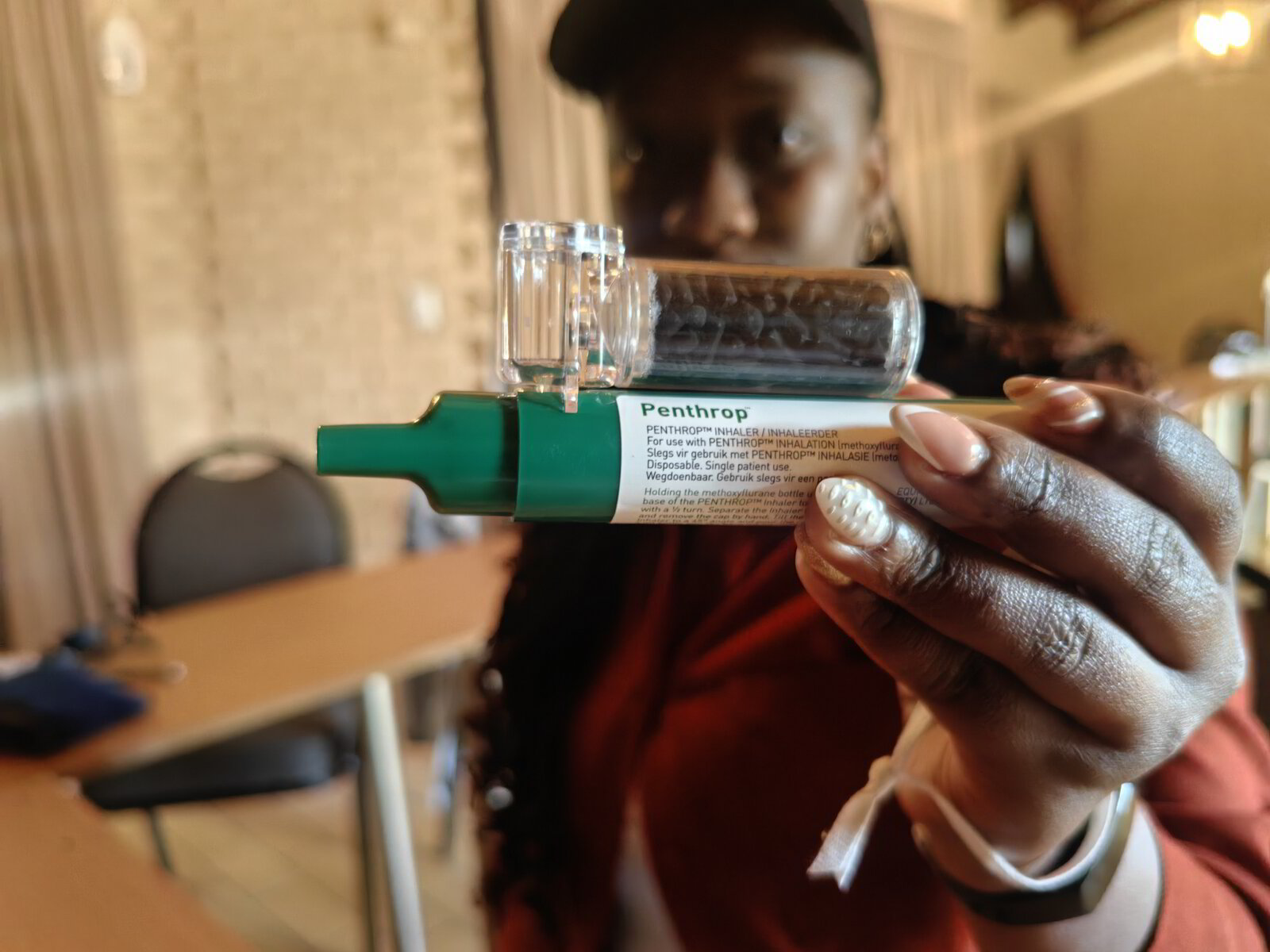
Intervention covers both non-pharmacological and pharmacological tools. Non-pharmacological approaches are never ever simply extra padding in this system; they matter. Positioning, splinting, ice or heat where suitable, verbal peace of mind, and active diversion have quantifiable results. Pharmacology then layers on: breathed in anesthetics like methoxyflurane, nitrous oxide/oxygen blends where available, oral agents such as paracetamol and advil, and parenteral options like fentanyl, morphine, or ketamine depending on the professional's extent and regional procedures. The device does not turn every student into an advanced life assistance paramedic. It shows risk-free, evidence-consistent selections within scope.
Review is not a token step. The unit bakes in review periods and the assumption of end result dimension. Did the pain rating decline within minutes of the treatment? Did breathing rate or end-tidal CO2 adjustment? Are sedation ratings drifting upwards? If you can disappoint enhancement or you find early unfavorable results, you should readjust the strategy quickly.
Who needs to consider this pain monitoring course
The target market for PUAEME008 is wide, and that belongs to its stamina. It is frequently packaged as a give discomfort monitoring program within emergency situation clinical action programs and vocational qualifications that feed right into rescue assistance roles. It additionally appears in pain management training courses pain administration training for registered nurses who operate in immediate treatment, event medicine, or rural and remote clinics. Lots of physio therapists finishing pain administration courses for physiotherapists want to bridge hand-operated treatment and severe analgesia abilities, especially in sporting activities or work setups where first feedback matters.
If you already hold a discomfort monitoring certification or a broader discomfort management qualification that concentrates on persistent pain, PUAEME008 will certainly feel much more tactical. The focus is on emergency discomfort management, intense analysis under https://manuelkbry429.tearosediner.net/discomfort-monitoring-qualification-training-course-learning-outcomes-and-evaluation time pressure, and short half-life medications that are titratable with a rapid start. For medical professionals that mainly see postoperative or chronic discomfort, this supplies a complementary ability set.
What a course appears like in practice
A quality discomfort management training course that supplies PUAEME008 usually runs as a blended program. Expect pre-reading on analgesic pharmacology and discomfort physiology, complied with by an extensive day of case-based situations, ability stations, and substitute patients. Training courses differ, however the very same back shows up time and again: high-fidelity wedding rehearsal of evaluation, gauged use medicines, and calculated exercise with tracking and communication.
Training service providers who take it seriously will examine not just technological steps, however exactly how you speak to people, analyze discomfort scores, and warrant dosing decisions to a professional lead over the radio. If you are selecting amongst discomfort monitoring programs, ask the number of circumstances they run per learner, what monitoring devices they use, and whether they cover pediatric and geriatric adjustments. Excellent short courses hurting management will certainly consist of tough instances: the intoxicated injury person, the hypotensive abdominal pain, or the patient with a considerable opioid tolerance that requires rising application and a security net.
Understanding discomfort past the score
Pain is subjective, individual, and culturally mediated. Two patients with the very same fracture can report pain scores at opposite ends of the scale. That does not make one of them incorrect. Your job is to secure the individual's summary of discomfort to function and to unbiased threats. Can they take a complete breath? Can they tolerate minimal activity for packaging and move? Is the discomfort avoiding you from carrying out necessary procedures?
PUAEME008 motivates organized query. Where is the discomfort, and does it emit? What makes it even worse or better? What are the connected signs and symptoms? In chest discomfort, inquire about diaphoresis, queasiness, shortness of breath. In stomach discomfort, make clear place, beginning, and features that differentiate surgical from clinical causes. In bone and joint injury, search for defect and neurovascular concession. These details inform the analgesic strategy equally as much as the number on the pain scale.
Non-pharmacological methods worth mastering
When individuals picture emergency situation pain monitoring, they think syringes and inhalers. The quieter success usually originate from the essentials. I have seen individuals shift from a discomfort rating of 8 to five in 2 minutes with nothing more than mindful splinting and repositioning. An arm sustained in a sling minimizes grip on hurt cells. A broken shin in a well-applied vacuum splint ends up being tolerable sufficient to allow mild transportation. Ice bag help in acute strains and contusions by lowering swelling and numbing shallow nerves. Warmth makes good sense in muscle mass spasm, not in fresh trauma.
Communication belongs to the analgesic plan, not a second thought. Explain what will certainly occur, what feelings to expect, and what you need from the client. Show paced breathing for the following 2 mins while you prepare drugs. In pediatric cases, involve the caregiver and usage diversion devices. Also as you treat the pain, you are gauging the response min by minute.
Pharmacology within range and context
The specific medication embeded in a PUAEME008 supply discomfort management program depends on jurisdiction and company extent. The typical string is a stepped, titratable approach.
Inhaled alternatives are a staple due to the fact that they have a quick beginning and wear away quickly. Methoxyflurane can supply meaningful relief with marginal devices. It needs focus to application limits, cumulative direct exposure, and a dedication to fresh air flow to minimize work-related exposure. Laughing gas 50 percent in oxygen provides trustworthy analgesia with a benign profile yet needs cyndrical tube logistics and keeping track of for nausea or vomiting, wooziness, or diffusion hypoxia if misused.
Oral agents are occasionally overlooked in immediate treatment, yet they have value, specifically when the individual is stable and transportation times are extended. Paracetamol and ibuprofen utilized with each other can generate additive results. They are not sufficient for major trauma, but they decrease the opioid concern and can decrease rebound pain later.
Parenteral opioid options usually center on fentanyl and morphine. Fentanyl, with its fast onset and brief period, can be titrated in tiny increments. It has much less histamine release than morphine, which aids when high blood pressure is delicate. Morphine provides deep, longer relief and can be efficient when provided meticulously with titration and monitoring. Both need cautious focus to respiratory status, sedation, and cumulative application. Have naloxone available, however do not rely upon it to make up for poor decision-making.
Ketamine continues to be an important choice where extent allows. In sub-dissociative doses, it provides potent analgesia with marginal respiratory system anxiety. It can increase high blood pressure and heart rate a little, which is preferable in particular injury contexts, and it maintains air passage reflexes. Introduction sensations at low dosages are unusual, yet still need prep work and calm coaching. Incorporating low-dose ketamine with low-dose opioid can produce synergistic relief while decreasing the adverse account of either drug alone.
Antiemetics and accessories issue. If the person is wriggling and vomiting, your plan is not functioning. Ondansetron or comparable agents support the experience. Little details like having suction ready for a client who ends up being sleepy can be the difference in between smooth care and a close to miss.
Monitoring and safety and security nets
Every medicine decision rests inside a security structure. Before you begin, you validate the basics: patent respiratory tract, reliable breathing, adequate circulation. During analgesia, you view respiratory system price, oxygen saturation, and where available, end-tidal CO2. You keep in mind blood pressure and degree of awareness. Sedation scales offer you a language to describe what you see, instead of obscure words like sluggish or sleepy.
Good practice indicates examining impact at specific time factors. With breathed in anesthetics, you need to see significant change within a couple of breaths and a consistent degree within minutes. With IV opioids, first check at 2 to 3 mins and once more at 5 to ten minutes prior to duplicating dosages. Titration maintains you inside a healing home window and constructs depend on with the patient. Paper the standard score, the intervention, the moment, and the new score. This is not documentation for its own purpose. It is just how you discover what jobs and spot very early caution signs.
Special populations and edge cases
Pain does not present neatly, and PUAEME008 anticipates you to adapt.
Children require dose modifications, careful language, and tools like the Wong-Baker faces range. Splinting and parental involvement can minimize distress significantly. Some inhaled representatives might stay off-label for very kids, so your program should make clear local policy.
Older grownups procedure drugs in different ways. Lowered renal function, polypharmacy, and frailty magnify the risks of sedatives and opioids. Start reduced, go sluggish, and prioritize non-pharmacological approaches and regional stabilization. A hip crack patient usually gains from well-padded positioning and mild traction, then tiny aliquots of opioid or low-dose ketamine, constantly with oxygen and monitoring.
Pregnancy modifications everything from respiratory get to hemodynamics. Positioning to avoid aortocaval compression, careful oxygenation, and consultation with clinical control take top priority. Particular medicines might be contraindicated depending upon pregnancy. The device's guidelines will defer to local protocols and examination pathways.
Intoxicated or head-injured patients pose a tracking obstacle. You can not depend on behavior alone to judge sedation. In such instances, maintain doses tiny, reconsider students and ventilation often, and preserve a low limit for sophisticated air passage support if consciousness drifts. Discomfort still demands treatment, however the margin for mistake narrows.
Opioid-tolerant people will certainly not respond to standard dosages. It is easy to undertreat them out of anxiety, then enjoy them move frantically on a spinal board. Titrate assertively while maintaining oxygen and air passage tools all set. Low-dose ketamine can be invaluable here. File their baseline opioid usage; it warrants your dosing and guides handover.
Communication and handover
Clear, concise communication multiplies the worth of excellent professional job. When you turn over an emergency discomfort monitoring individual, supply a timeline. For instance, you could say that the patient's left wrist defect was splinted at 14:20, methoxyflurane began at 14:22, pain rating dropped from eight to five by 14:25, and 50 micrograms of fentanyl IV were titrated in between 14:28 and 14:35 with a present pain score of 3. Include vitals, sedation level, and any type of damaging occasions. This narrative lets the receiving clinician make reasonable following actions instead of beginning with zero.
Most pain management training programs will certainly pierce this kind of handover. It may really feel repeated in the classroom, yet it repays when your client rolls right into a crowded ED where attention is scarce.
Risk management and lawful considerations
Analgesia is not exercised in a vacuum cleaner. You work within organizational plans, medicine authorizations, and an evolving proof base. PUAEME008 advises you to verify your extent, follow neighborhood medical method standards, and consult when provided with complicated or contraindicated instances. Documentation is not simply defense, it is continuity of care. If you think a medication is suggested however the circumstance deviates from common procedures, rise to a clinical lead, record the consultation, and move carefully.
Environmental dangers matter also. Using methoxyflurane in an improperly ventilated space boosts job-related direct exposure. Administering nitrous oxide without scavenging can leave the team lightheaded. Climate, darkness, and surface can transform basic tasks right into risks. A great supply pain monitoring program will step outside the classroom and reveal you exactly how to administer analgesia in a confined washroom, on a football area, or next to a roadway with web traffic inches away.
How to choose a quality provider
Not all pain administration training courses are developed equivalent. Look for trainers with frontline experience, not simply educating credentials. Ask whether the course includes pediatric and senior citizen situations, respiratory tract surveillance skills, and negative event management. Simulation should worry decision-making, not simply technological steps. The very best discomfort monitoring training courses give post-course support, such as quick-reference application overviews and access to refresher scenarios.
If you are a registered nurse seeking pain management training for registered nurses, choose a provider that recognizes nursing extent and regular work setups. For physio therapists, locate discomfort administration courses for physio therapists that integrate movement-based techniques and splinting with analgesia principles. Those working toward a pain management certificate or discomfort management qualification need to ensure the web content maps to identified frameworks and consists of legitimate evaluation, not just attendance.
The practical flow at scene
Below is a portable field-tested circulation you can adjust. Keep it truthful and adaptable, not rote.
- Scene safety and security, main survey, and prompt life risks regulated. While you manage airway and blood loss, ask a solitary pain concern to set the stage. Focused discomfort evaluation: area, quality, extent, practical limitations, warnings. Pick an appropriate pain scale. Non-pharmacological measures: setting, splint, ice or warm, calm coaching. Beginning these before meds. Pharmacological plan within range: pick the most basic reliable agent, titrate gradually, display closely with recorded time points. Review at specified periods. If the pain score does not drop or adverse results appear, readjust the plan or rise for innovative support.
Building durable competence
Competence does not originate from a certification alone. It comes from repetitions, reflection, and comments. After a challenging case, review it. Did you choose the appropriate representative? Was your first dosage too timid or too strong? Did you reassess at the correct times? Talk to colleagues and trainers. The system PUAEME008 give discomfort monitoring expects reflective method. When you encounter a rare unfavorable result or a stubborn discomfort syndrome that resists your first-line options, create it up and share the lessons with your team.
Consider periodic refreshers. Skills like drawing up little fentanyl aliquots under stress and anxiety, mentoring a scared kid with breathed in analgesia, or stabilizing ketamine's benefits versus periodic dysphoria get rustic without technique. Short courses suffering management make sense as annual or biennial updates, specifically if your office changes methods or adds new agents.
From certification to capability
A pain administration certificate or pain monitoring accreditation looks neat on paper. What issues is just how your clients experience your treatment. They do not remember the device code. They keep in mind the paramedic who splinted their leg delicately, explained the strategy, timed each dosage with their breathing, and stayed existing until the discomfort eased. They bear in mind the registered nurse who discovered a comfortable placement for a fractured neck of femur and used little, frequent doses to make activity acceptable. They keep in mind self-respect restored.
If you are weighing whether to enrol in a discomfort management certification program, ask yourself what you desire from it. If it is a badge, you will obtain one. If it is capability, look for an offer pain monitoring course that makes you practice real-life complexity, tracks your choices, and offers honest comments. The ideal program develops your judgment, not just your medicine list.
Final thoughts for the field
Pain management is a moral obligation and a medical ability. PUAEME008 offers a useful structure that stands in the unpredictable globe of prehospital and immediate care. Use it to sharpen your assessment, broaden your treatments, and tighten your testimonial loopholes. Respect the pharmacology, maintain your tracking truthful, and deal with each client's pain as actual, even when it offers differently than you expect.
The ideal medical professionals deal with the person before them, not a protocol laminated on a clipboard. They know the rules all right to follow them and, when necessary, to safely request help when the guidelines do not quite healthy. That is the basic worth going for when you lay out to provide discomfort management in the minutes that matter.